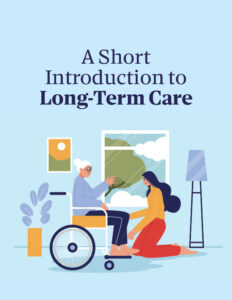


When planning for retirement, people tend to focus on travel, hobbies, and day-to-day living expenses, but a critical element to include in your financial plan is the potential for long-term care needs. Because extended health services can be expensive, understanding how much to save and what factors drive those costs is important knowledge when working to preserve your retirement strategy.
According to a 2025 study conducted by Milliman, the average 65-year-old should set aside around $135,000 for long-term care costs. While this figure serves as a practical starting point, long-term care expenses are rarely uniform. Depending on the type of support you need and your personal health profile, your actual target could look quite different.
Personal Factors That Impact Your Target
To move beyond the $135,000 mark and get a savings number that is more reflective of your personal situation, you should consider the following factors:
- Sex
Women may want to consider saving more than the target number for several reasons. Milliman suggests that women may need as much as $171,000 in savings for long-term care, as they have longer life expectancies, which equates to a potentially longer duration of need.
For example, 14% of females require paid long-term care for five or more years, compared to only 6% of males who need care for this length of time.
- Location
Facility pricing, overall health, and longevity trends vary significantly across different states and regions. If you’d like to get an idea of the cost of care in your area, you can research that here: https://www.carescout.com/cost-of-care
- Family Health History
Your personal health and family history of health conditions are also factors you should consider. For example, if you have a family history of Alzheimer’s, you might want to consider a larger financial cushion for long-term care, as this condition may require extended, specialized assistance.
Types of Long-Term Care Services
Beyond personal factors, you should also consider the type of long-term care you might want or need. Long-term care spans a spectrum of support, ranging from basic home assistance to around-the-clock medical attention. These are some of the available options and their average costs:
- Home Health Care and Aides: This option provides services delivered directly in your residence, including skilled medical care (like physical or speech therapy) or personal help with daily activities and light household duties. For non-medical, in-home care, the national average cost is $35/hour or around $80,000 per year, while a skilled, in-home nurse visit averages $90/hour.
- Adult Day Care Centers: These community-based locations provide daytime social activities and personal care, offering supervision for adults while giving family caregivers relief. These services average $95/day or around $24,700 per year.
- Assisted Living Facilities: These are residential communities offering room, board, and 24-hour personal care for individuals who can no longer manage independently at home but do not require full skilled nursing care. You can expect to pay an average of $6,200 a month or around $74,400 per year for these facilities.
- Nursing Homes: These are licensed facilities offering 24-hour room and board, skilled nursing care, specialized therapies, and comprehensive medical support. A semi-private room averages $114,975 a year, or $129,575 a year for a private room.
The Price Tag and How Costs Are Rising
While having a target amount in mind for long-term care costs is a good thing, it’s important to keep inflation in mind as well, and note that long-term care costs have escalated sharply in recent years. Between 2019 and 2024, median costs for home care and assisted living jumped nearly 50%, while nursing home fees rose 25%—outpacing the 22% income growth for households aged 65 and older. Between May 2025 and May 2026, home care costs climbed another 7.9%, driven largely by higher caregiver wages and the increasing intensity of care required by older adults. Looking forward, if inflation averages 2.54% annually, a nursing home stay costing $112,420 today could swell to nearly $186,000 per year in 20 years.
Let’s Make a Plan Together
This is why having a proactive retirement strategy that includes long-term care and considers your personal factors and goals is so important. Having a plan that goes beyond travel and daily expenses in retirement and incorporates longevity and health care can make a big difference in your later retirement years. Reach out to us today for a closer look at your finances, and let’s build a retirement strategy that considers all aspects of your retirement future.